Between prompts and agents, there is a layer most builders skip. Without it, the agent improvises every task. With it, repeatable work becomes reliable.
That layer is skills.
Agent systems do not fail because of the model. They fail because the agent has context - but no procedures. Builders add more prompts, more tools, more complexity. The output stays inconsistent. Not because the agent is weak, but because it has no defined way to act.
Why prompts alone stop scaling
Prompts work well at the individual task level. You describe what you want, the AI responds, you use what is useful. The relationship is immediate and clear.
The problem appears when you want the same task done the same way, repeatedly, across different sessions, with consistent output quality. Prompts do not persist. Every session starts from zero. Whatever context, constraints, and standards you care about - gone.
Builders handle this by typing the same instructions again. Or pasting long context blocks at the start of every conversation. This works until the project grows, the team grows, or the tasks become complex enough that “describe it in the prompt” stops covering everything.
Prompts do not fail because the model is weak.
They fail because they do not persist.
The ceiling on prompting is not intelligence - it is memory and structure.
At AOL 1 and 2, that improvisation is invisible. At AOL 4, it becomes the bottleneck.
Where skills fit in the orchestration stack
To understand where skills fit, you need to see how agent systems are actually built. Not as a jump from chat to autonomy - but as layers.
The AOL framework (Agent Orchestration Layer) maps five cumulative layers. You do not move between levels; you build layers into your project. Each one adds context and intent.
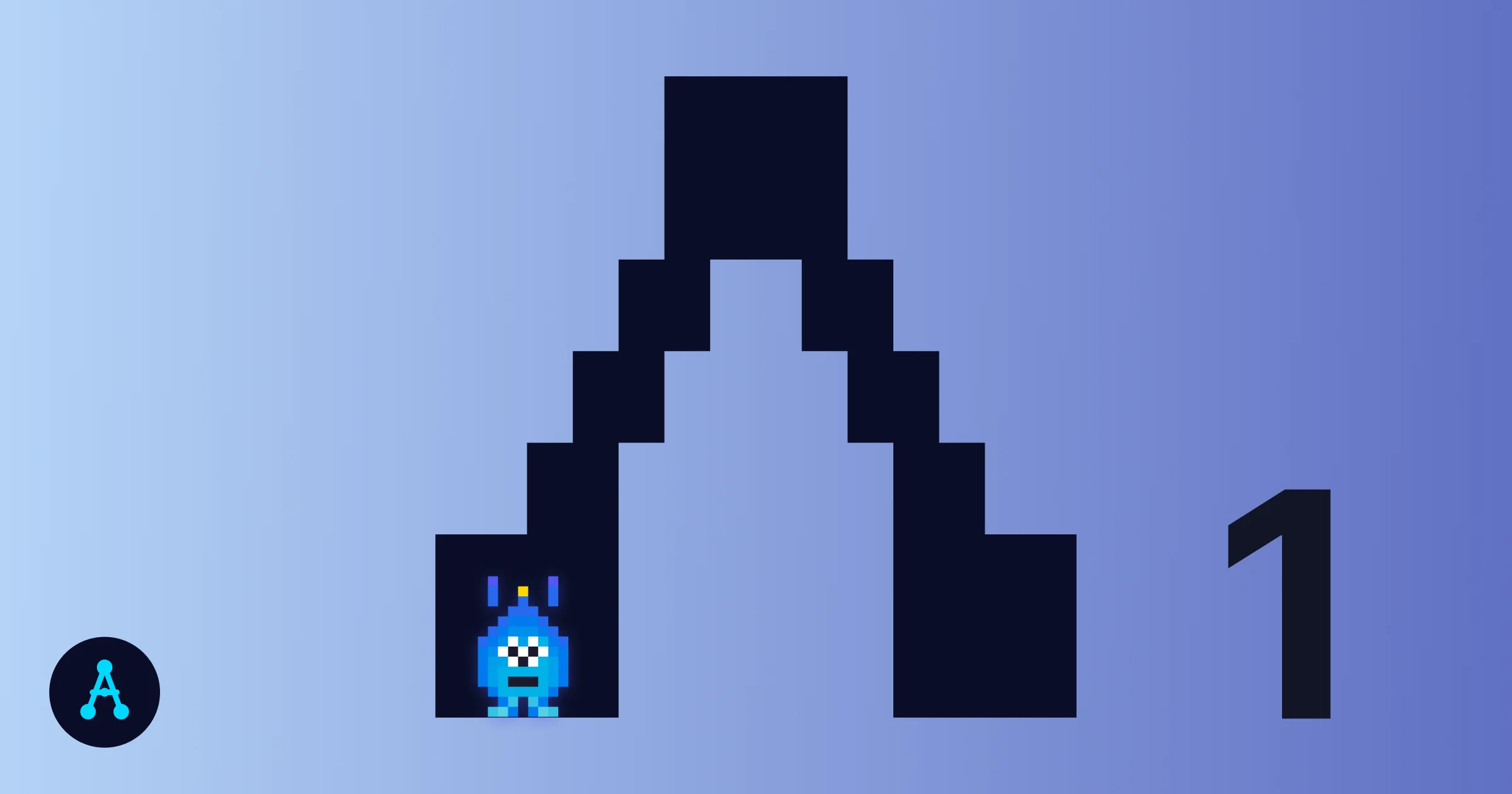
AOL 1 Disconnected No context. Every session starts from zero.
AOL 2 Aware CLAUDE.md gives the agent its first real project context.
AOL 3 Informed /docs adds design, architecture, and standards. Output quality jumps.
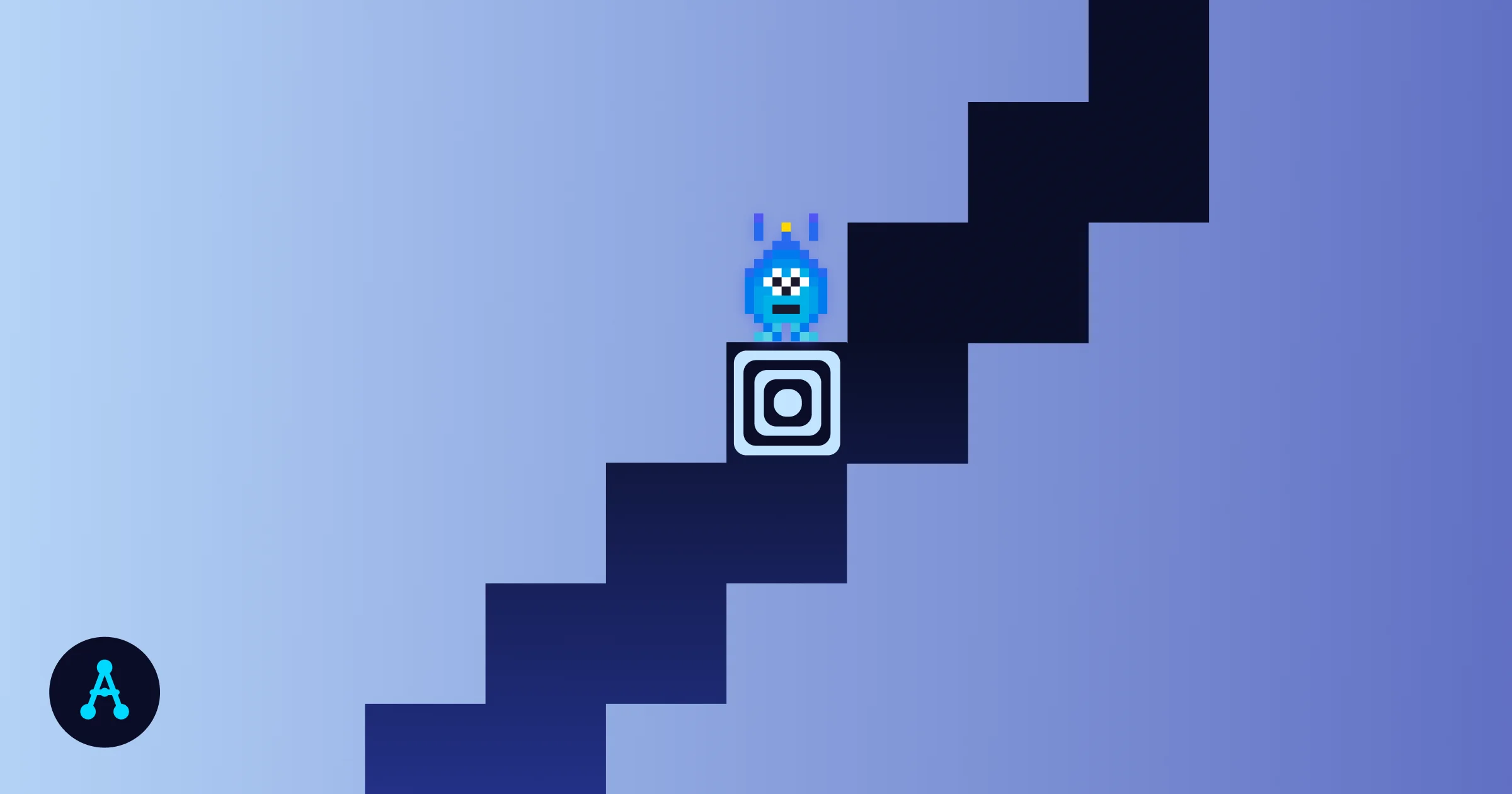
AOL 4 Capable Skills add procedural intent. Repeatable work becomes predictable.
AOL 5 Integrated Hooks trigger skills automatically. The system checks itself.
Most builders trying to work with agents are operating at AOL 1 or 2 - and wondering why the output is inconsistent.
The reason is simple: the agent has context, but no procedural intent.
What skills actually are
A skill is a stored procedure for an agent.
Not something you write in the moment - but something the agent can execute reliably every time that task appears.
At AOL 4, context is paired with procedural intent. That pairing is what a skill provides.
When a task comes up, the agent loads the relevant skill and follows it. The output becomes consistent and predictable - not because the AI got smarter, but because it has a defined way to act.
In Claude Code, skills are Markdown files stored in .claude/commands/. Other tools implement the same concept under different names. The principle does not change: structured instructions, stored persistently, available when needed.
A skill is not a long prompt. It is a procedure - version-controlled, repeatable, and separate from the conversation. A prompt is something you write now.
A skill is something you build once - and refine over time.
It accumulates quality. It persists across sessions. It can be reused across a team without reconstructing the same context again and again.
Without skills, you are not using an agent - you are supervising autocomplete.
Skills and docs are different things
Most builders collapse documentation and skills into one layer. That breaks both.
Documentation
- Defines standards
- Design decisions
- Architecture patterns
- Global rules
Tells the agent what "good" looks like.
Skills
- Define execution
- Writing a blog post
- Running a build check
- Auditing component styles
Tells the agent how to produce it.
Each skill handles one task - with a defined way to execute it.
The doc defines the outcome. The skill defines the process.
They work together, but they should not overlap. The skill references the doc. The doc does not carry the procedure. When standards change, you update the docs. When execution changes, you update the skill. That separation is what keeps the system maintainable as it scales.
What changes when you have them
The shift at AOL 4 is not just better output - it is a different way of working.
Without skills
- Every task requires manual setup
- Every prompt rebuilds context
- Every result varies
With skills
- The agent recognizes the task
- Loads the correct procedure
- Executes it consistently
Writing a blog post stops being a 15-minute prompt exercise where you rebuild context from scratch. The agent identifies the task, loads the relevant skill, follows a defined structure, and produces a consistent draft. No re-explaining. No rebuilding context.
You define the procedure once. Then you refine it. The agent improves with it.
Builders who struggle with agents are not failing because agents are unreliable. They are failing because they have not given the agent anything reliable to work with.
The layer most builders skip
The path from prompts to agents is not a leap. It is a stack.
Skills are the layer most builders skip. They move from context straight to complex workflows and wonder why things break. The reason is consistent: the agent understands the project, but it has no defined way to act within it.
It knows what you want.
It just has to improvise how to get there - every single time.
If you want to see what a skill looks like before building one, the SKILL.md Starter is a working example - a complete code review skill with each section annotated. Download it, read it, and use it as your first skill or as a reference when writing your own.
The Claude Code Starter Guide covers the full skills layer - including a SKILL.md template and working examples you can use as your first skill.
In Part 2 of this series, we move from individual skills to scalable skill systems - how to design them so they compose cleanly, act as contracts between agents, and hold up under real workloads.
If you are not yet set up with Claude Code, start with the guide for beginners - it covers the initial session before the skills layer makes sense.
One week free. If you want to try Claude Code before you commit, Anthropic offers a free week through referral. Start your free week here - no payment needed to begin.
This is part of the Foundation System - the layer where repeated tasks become reliable instructions the agent follows without improvising.
May you build Greatness! 🍀
Michael